



The Book of Changes has guided emperors, philosophers, and seekers for over 3,000 years. Here's how you can tap into its wisdom - using just three coins.
What Is the I Ching?
The I Ching, also known as the Book of Changes, is one of the oldest and most profound texts in Chinese philosophy. Revered as the "first of all classics" and the "source of the Great Way", it has shaped Taoist thought, Confucian philosophy, and countless spiritual traditions across East Asia.
At its core, the I Ching is a system of 64 hexagrams - six-line figures made up of broken (Yin) and unbroken (Yang) lines - each representing a fundamental situation or archetypal energy in the universe. These hexagrams reveal the dynamic patterns of change that govern all things: the rise and fall of fortunes, the shifting of seasons, the ebb and flow of relationships.
The Three Principles of the I Ching
- Change: Everything in the universe is in constant flux. Nothing stays the same.
- Simplicity: Despite the complexity of the world, the underlying principles are simple and elegant.
- Constancy: While things change, the laws of change remain constant and reliable.
How the Hexagrams Work
Each hexagram consists of six lines, stacked from bottom to top. Each line is either:
- Yang: A solid line (——), representing activity, light, strength, the masculine principle
- Yin: A broken line (— —), representing receptivity, darkness, flexibility, the feminine principle
The 64 hexagrams are formed by combining the Eight Trigrams:
| Trigram | Name | Symbol | Nature |
|---|---|---|---|
| ☰ | Qian | Heaven | Creative, strong |
| ☷ | Kun | Earth | Receptive, nurturing |
| ☳ | Zhen | Thunder | Arousing, movement |
| ☵ | Kan | Water | Dangerous, flowing |
| ☶ | Gen | Mountain | Still, meditative |
| ☴ | Xun | Wind | Gentle, penetrating |
| ☲ | Li | Fire | Clinging, bright |
| ☱ | Dui | Lake | Joyful, open |
Each hexagram is a combination of two trigrams - one above (outer), one below (inner) - creating a unique energetic signature.
For example, Hexagram #1 Qian is Heaven over Heaven - pure creative power. Hexagram #2 Kun is Earth over Earth - pure receptive potential.
How to Cast a Hexagram: The Coin Method
While there are many traditional methods for casting hexagrams the Coin Method is the most accessible for beginners. All you need are three coins.
What You'll Need
- 3 identical coins (ancient Chinese coins are traditional, but any coins work)
- A quiet space and a clear question in mind
- Paper and pen to record your result
Step-by-Step Instructions
Step 1: Prepare Your Question
Think of a specific question or situation you'd like guidance on. The I Ching responds best to open-ended questions like:
- "What should I focus on in my career right now?"
- "What energy surrounds my relationship?"
- "What do I need to understand about this challenge?"
Avoid yes/no questions. The I Ching offers wisdom, not predictions.
Step 2: Assign Values to the Coins
Hold the three coins in your hands. Decide which side represents yin and which represents yang:
- Heads (or the side with writing) = Yang (3 points)
- Tails (or the blank side) = Yin (2 points)
Step 3: Toss the Coins Six Times
Focus on your question, then toss all three coins together. Record the result:
| Outcome | Calculation | Line Type | Symbol |
|---|---|---|---|
| 3 tails | 2+2+2 = 6 | Old Yin (changing) | — ✕ — |
| 2 tails, 1 head | 2+2+3 = 7 | Young Yang (stable) | ——— |
| 1 tail, 2 heads | 2+3+3 = 8 | Young Yin (stable) | — ✕ — |
| 3 heads | 3+3+3 = 9 | Old Yang (changing) | — ○ — |
Important: Record the lines from bottom to top (first toss = bottom line, sixth toss = top line).
Step 4: Identify Your Hexagram
After six tosses, you'll have six lines forming a hexagram. Look it up in an I Ching reference to find its meaning.
If you have any changing lines (Old Yin = 6, or Old Yang = 9), those lines transform into their opposite, creating a second hexagram that shows the situation's potential evolution.
Why Use the I Ching Today?
The I Ching isn't just a fortune-telling tool — it's a mirror for self-reflection. Each hexagram offers a lens to examine your current situation from multiple angles:
- What's the core dynamic at play?
- What actions are favored or discouraged?
- How should I position myself for the best outcome?
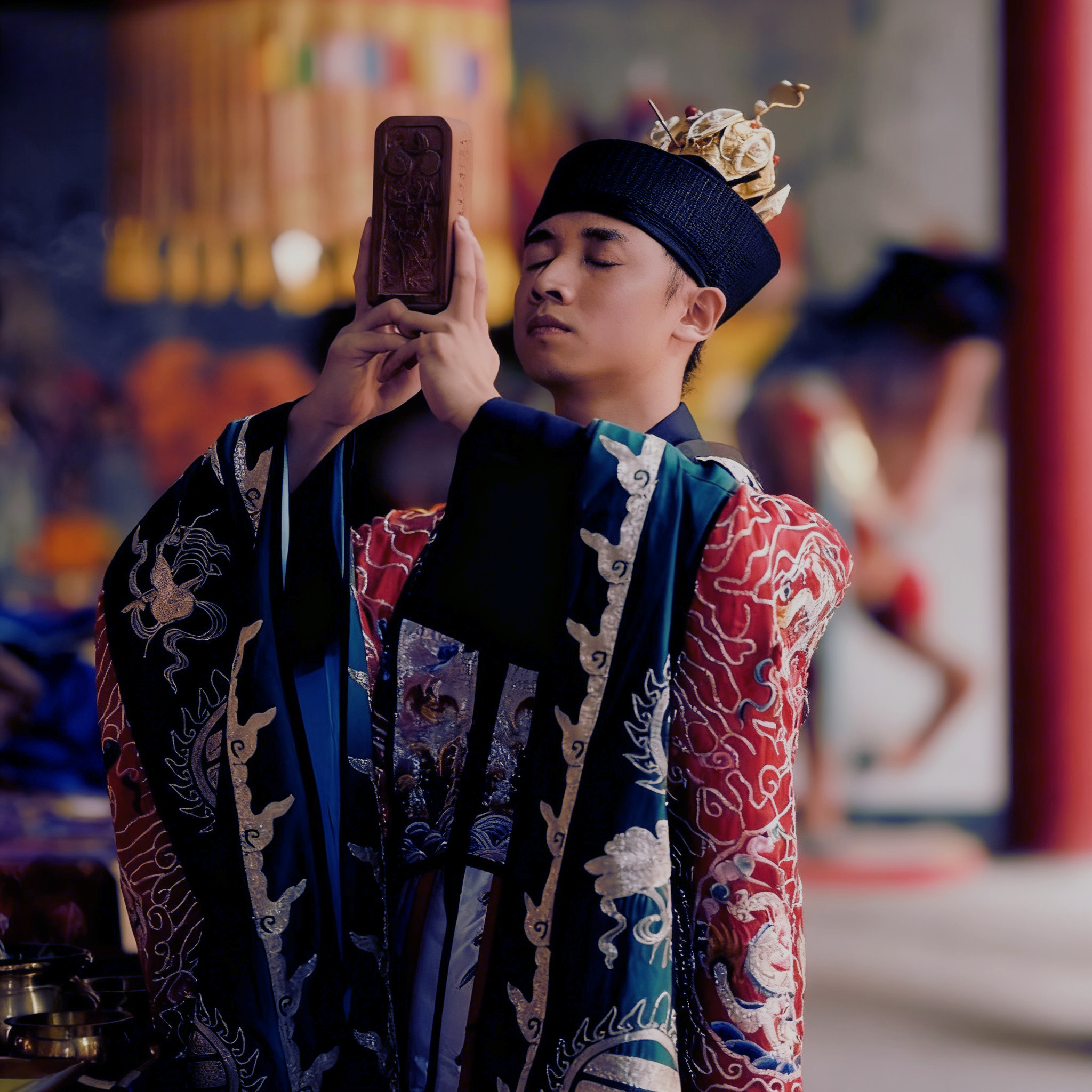
In Taoist tradition, the I Ching is also used in feng shui, talisman design, and spiritual cultivation. Many Taoist priests consult the I Ching before performing rituals or making important decisions.
Explore Taoist Wisdom at Tao Stones
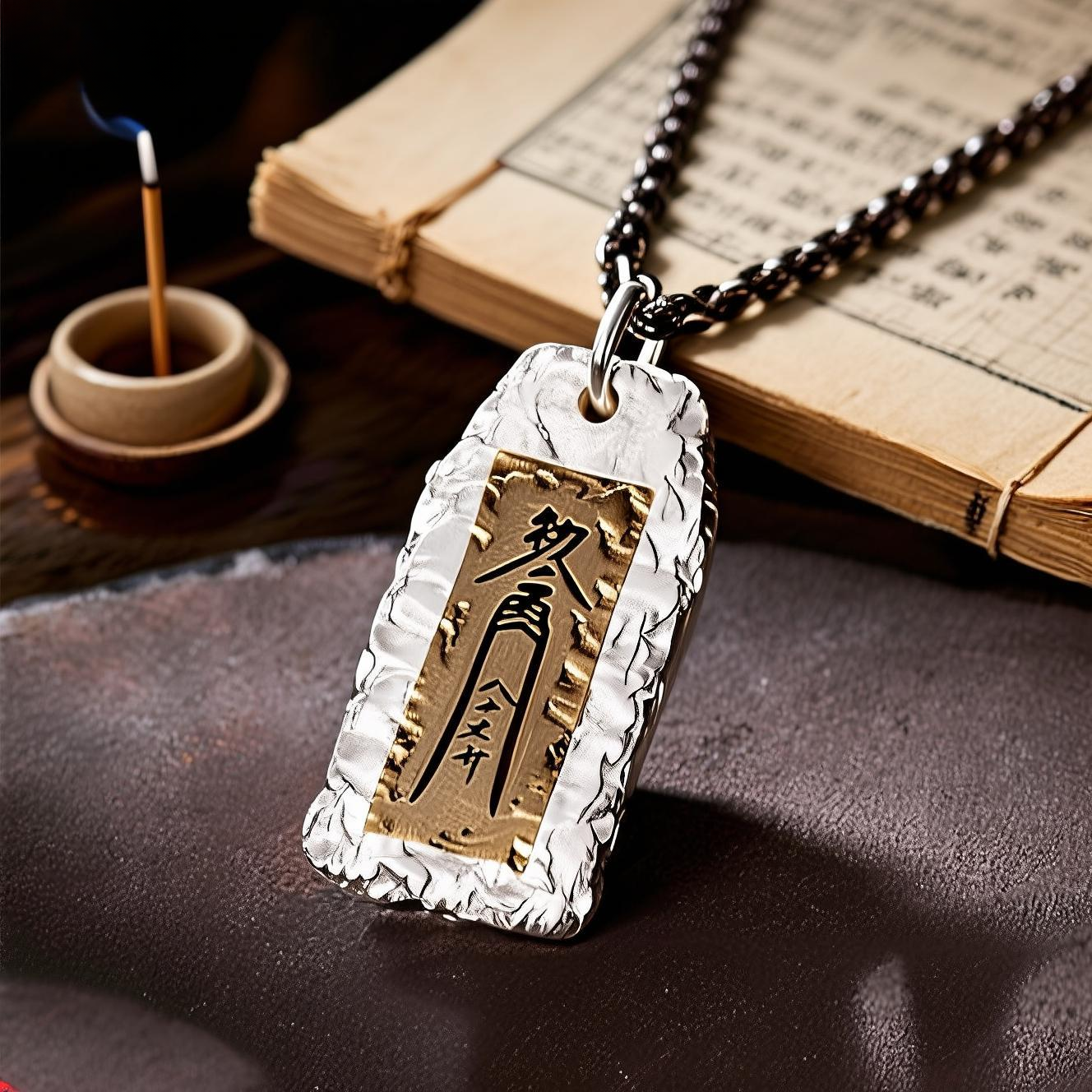
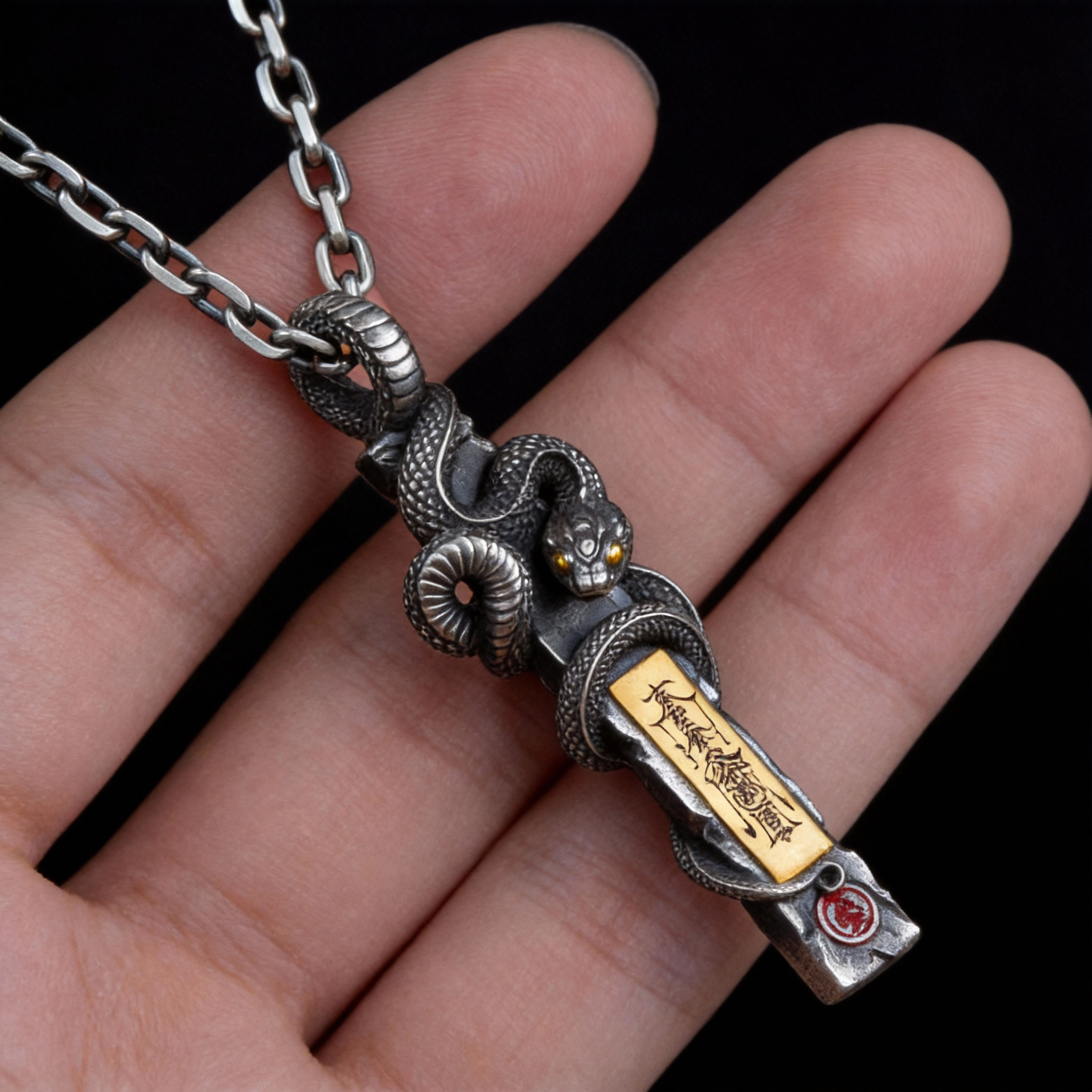
At Tao Stones, we believe ancient wisdom should be accessible, wearable, and meaningful. Our collection of Taoist-inspired jewelry and accessories - from Tao Stones Yin-Yang Bagua Nine-Word Mantra Pendant to Tao Stones Taoist Nine Palace Bagua Rotating Pendant - carries the same transformative energy that the I Ching has offered for millennia.