



In the vast menagerie of Chinese mythical creatures, two beasts share a defining trait that sets them apart from dragons, phoenixes, and qilin: they devour. The Taotie devours everything - so much that it consumed its own body. The Pixiu devours wealth - and never lets it escape.
One is a face frozen on 3,000-year-old bronze vessels, a warning from the dawn of Chinese civilization. The other is the most beloved Feng Shui wealth symbol in jewelry shops from Hong Kong to New York.
Together, they tell a story about how Chinese culture has always understood wealth not just as something you earn, but as something you attract - and protect.
Who Is the Taotie? The Bronze Age Beast That Ate Itself
The Taotie (pronounced tow-tieh) is one of the most enigmatic creatures in Chinese mythology. It belongs to the Four Perils - a group of four malevolent beasts that ancient texts describe as embodying humanity's darkest impulses. The Taotie's sin was greed.
According to the Zuo Zhuan, a text from the 4th century BCE, the Taotie had a head and no body. When it ate, it didn't swallow - it chewed. And eventually, its appetite turned inward: it ate itself, leaving nothing but that terrible, hungry face.
That face became art.
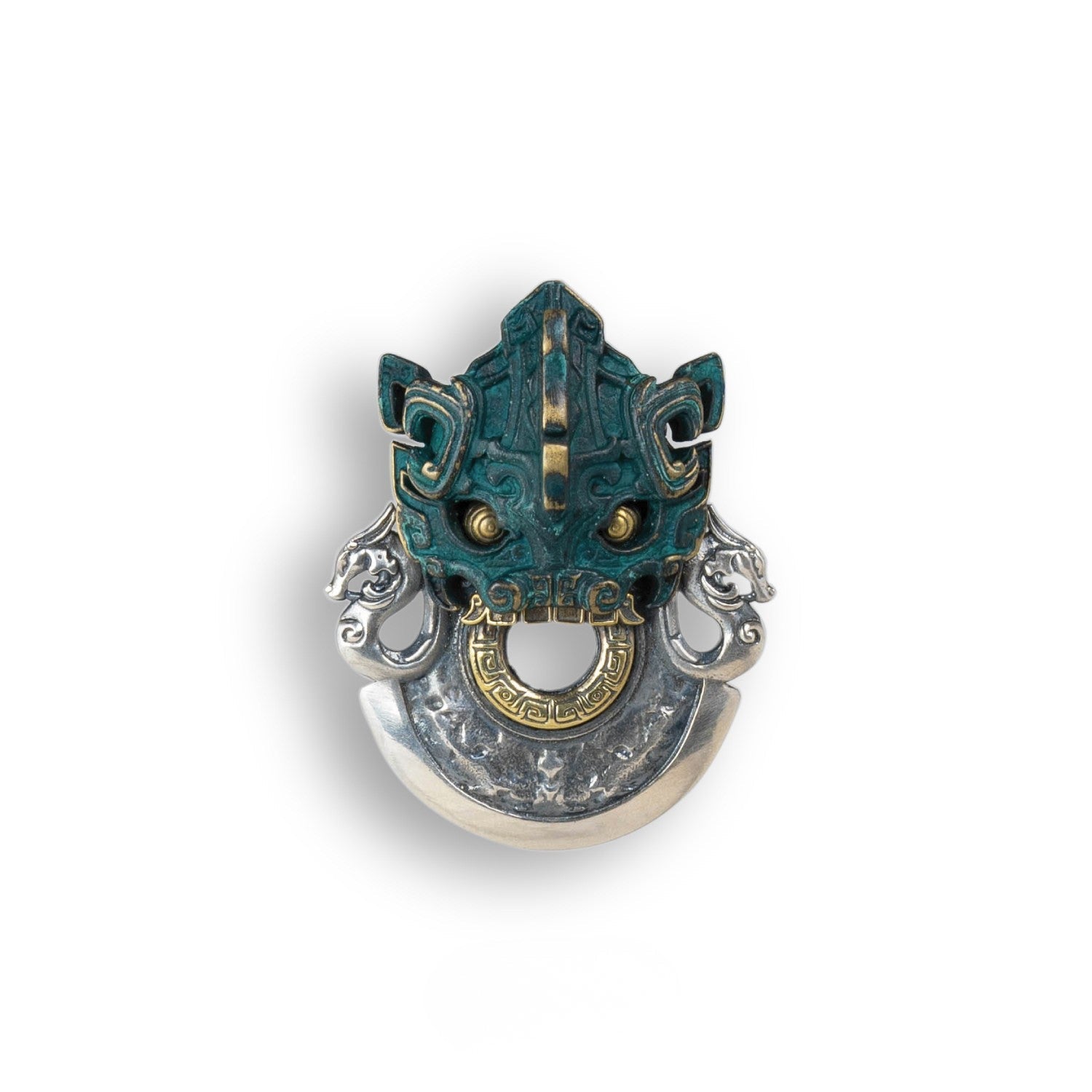
During the Shang Dynasty (c. 1600–1046 BCE) and the early Zhou Dynasty (1046–256 BCE), Chinese craftsmen stamped the Taotie's visage onto ritual bronze vessels with obsessive repetition. Walk through any major museum's Chinese antiquities collection - the Metropolitan Museum, the British Museum, the Freer Gallery - and you'll see it: a symmetrical, frontal mask with enormous bulging eyes, curling horns, bared fangs, and no lower jaw. Scholars call it the "Taotie pattern", and it is arguably the single most iconic motif in ancient Chinese bronze art.
These weren't decorative choices. The bronze vessels - ding tripods, gui food containers, zun wine vessels - were used in solemn rituals to communicate with ancestors and gods. The Taotie's face stared out from vessels meant to hold offerings of food and wine, as if guarding the boundary between the living and the divine.
But here's the question that has divided scholars for centuries: was the Taotie's face a warning against greed, or a symbol of protection? Was it a demon, a deity, or something in between?
The answer may be all of these — and that ambiguity is exactly what makes the Taotie so powerful.
Who Is the Pixiu? Feng Shui's Favorite Wealth Guardian
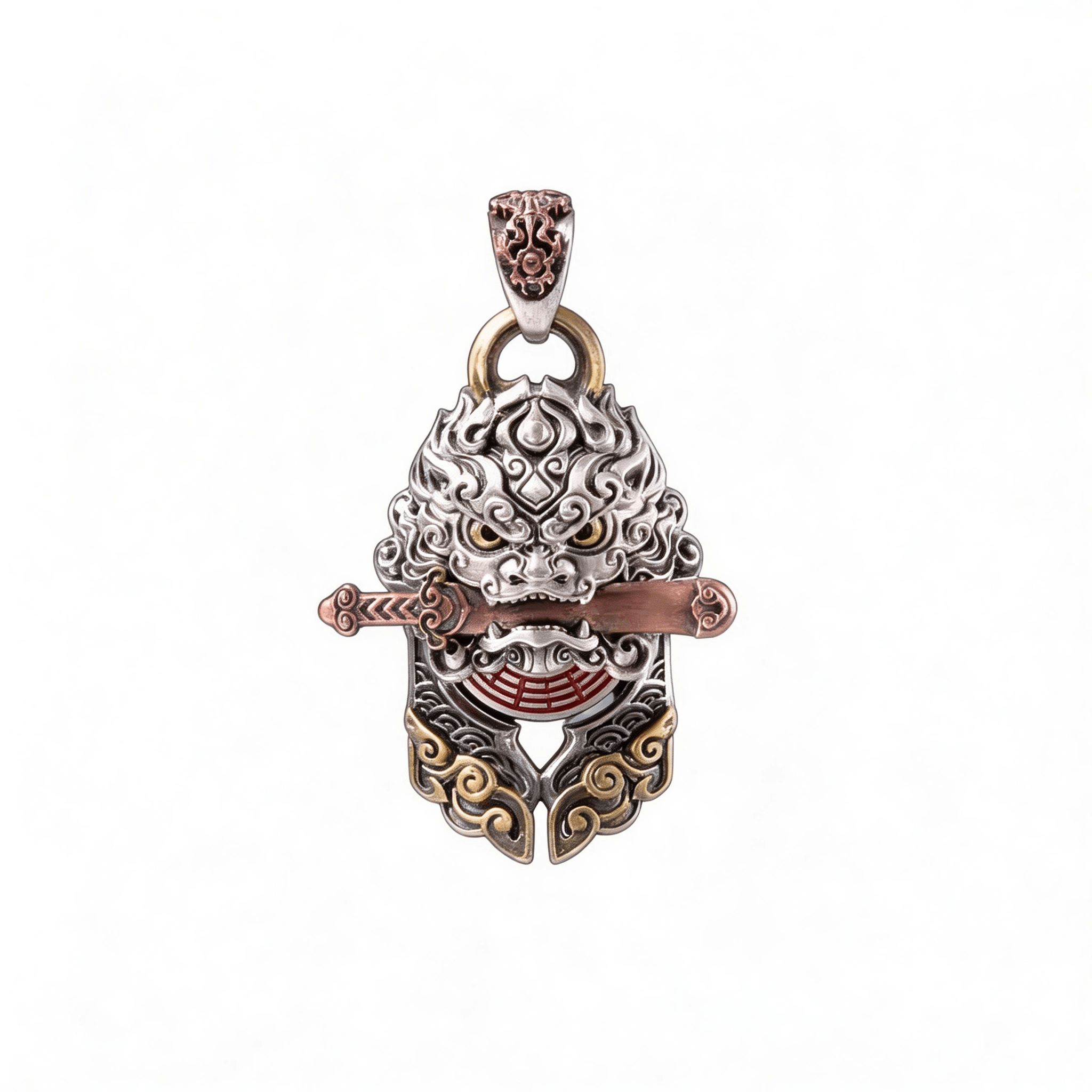
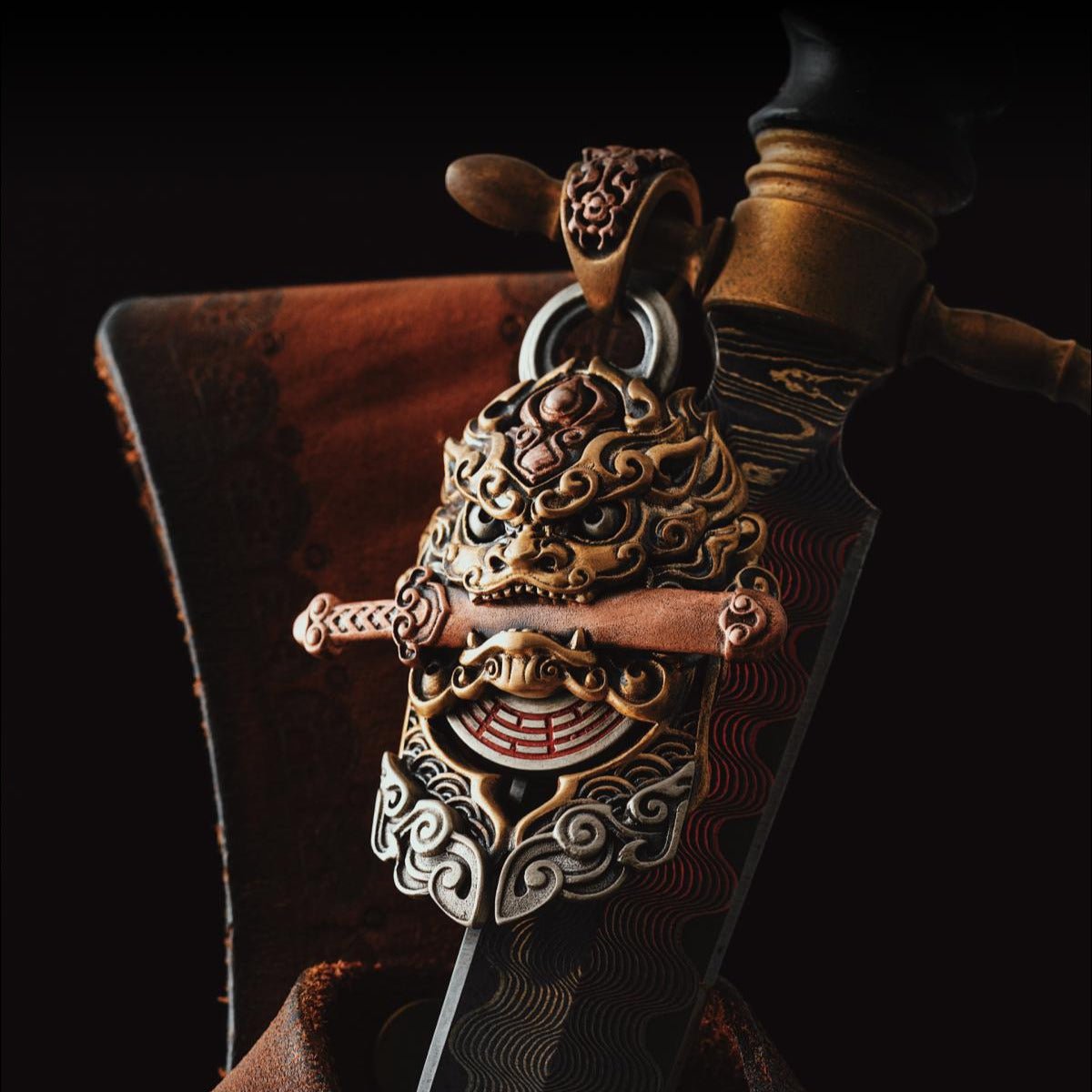
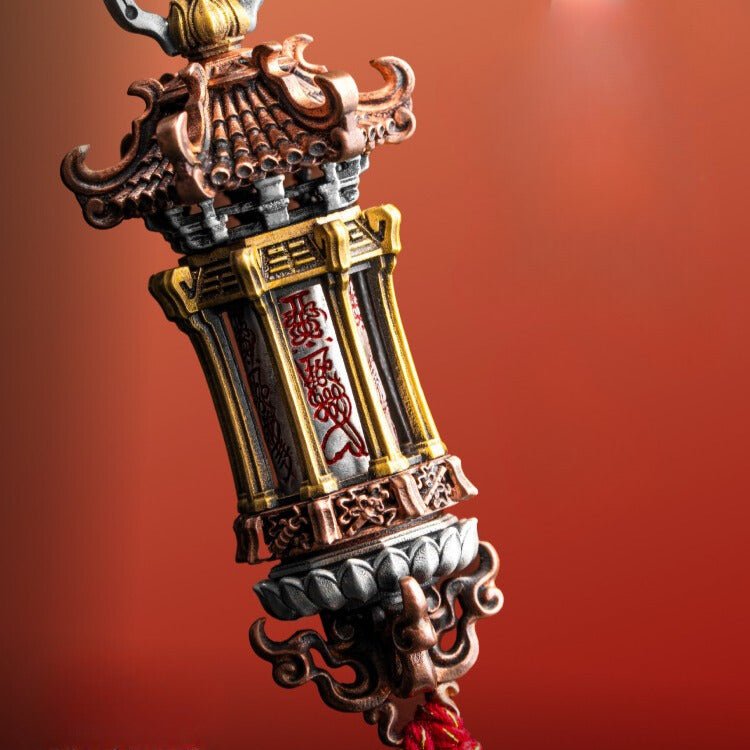
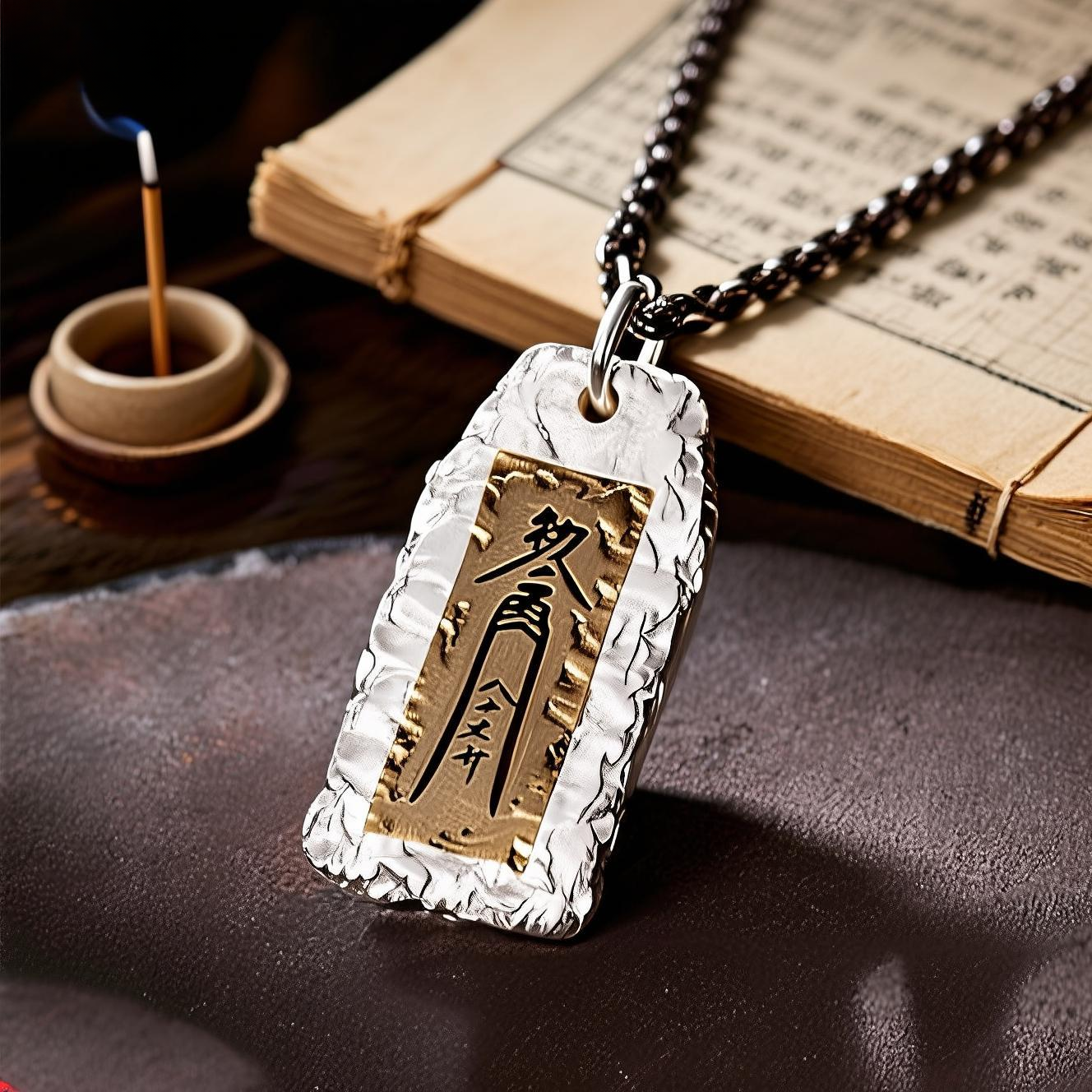
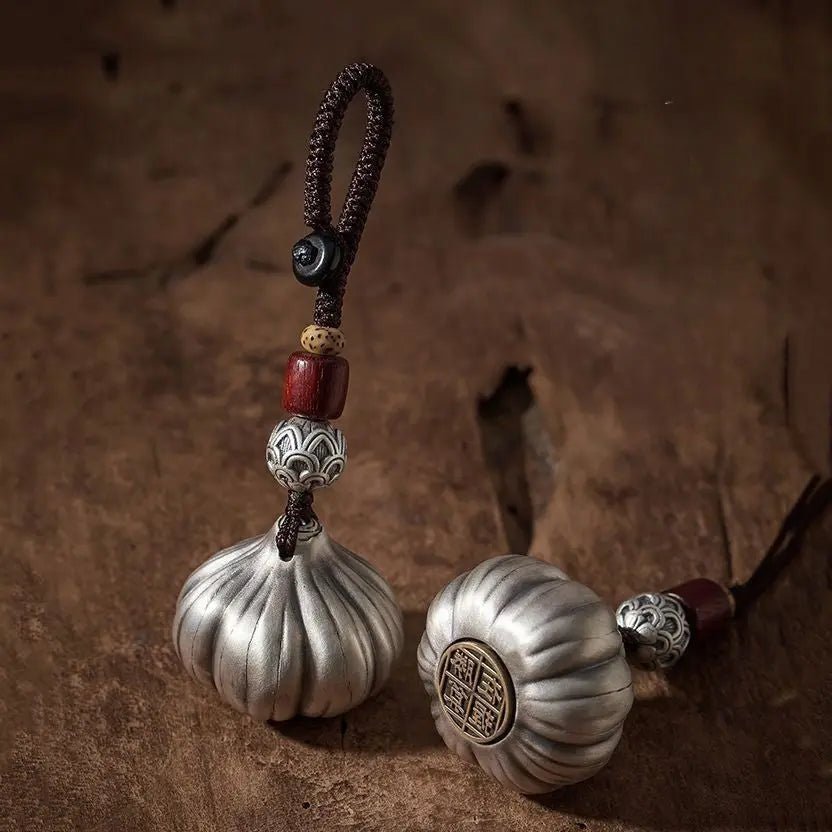
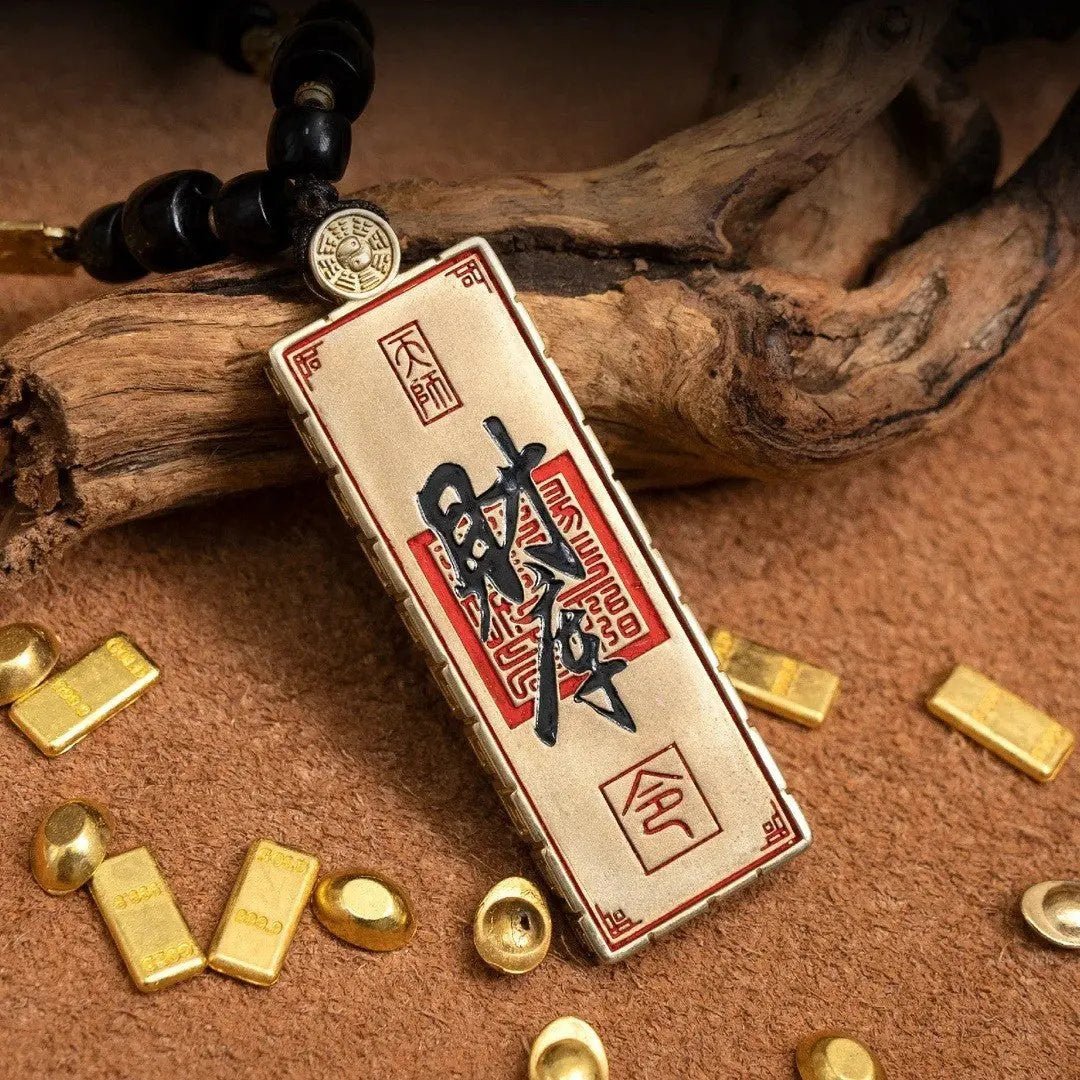
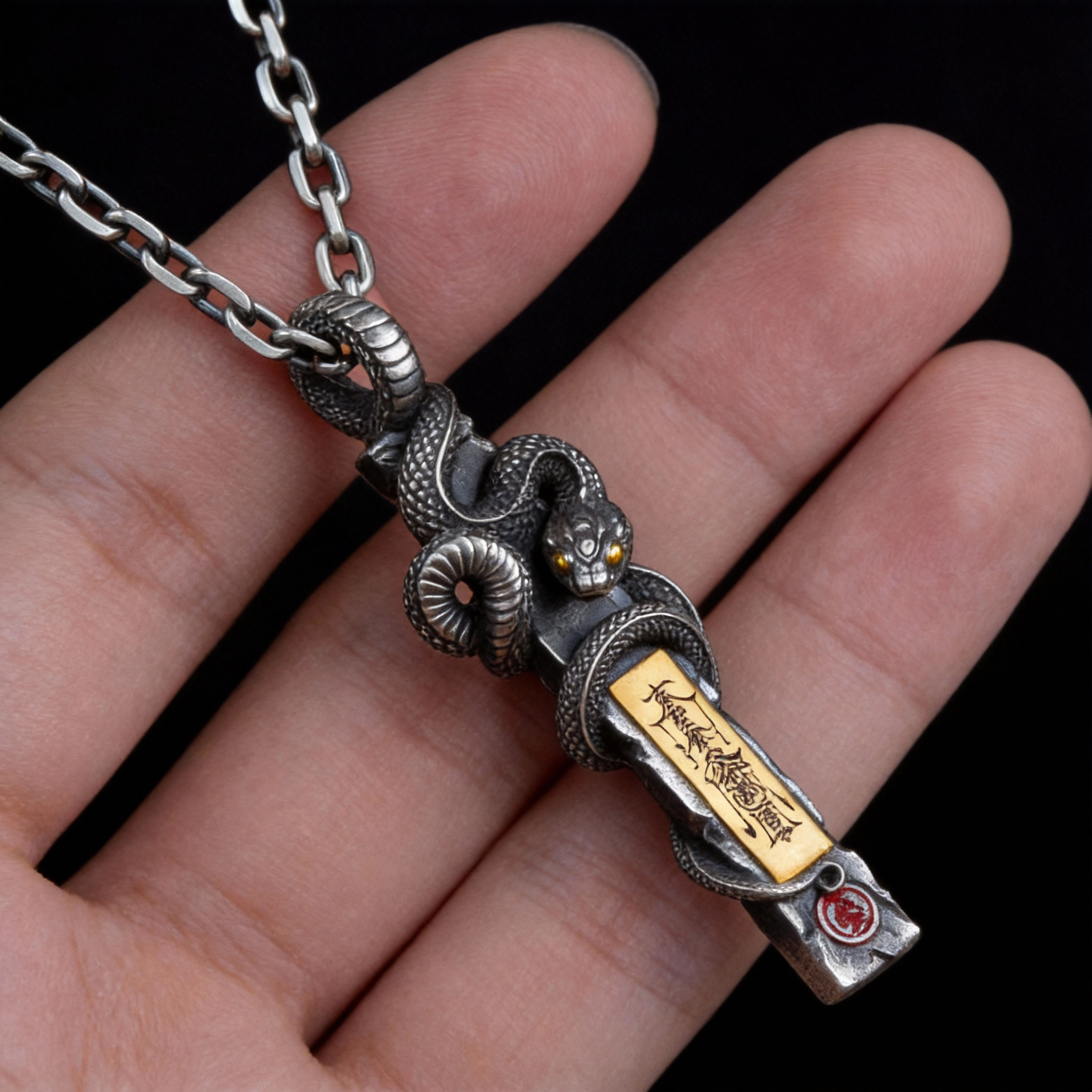
If the Taotie is the ancient, mysterious face on museum bronzes, the Pixiu (also spelled Pi Xiu or Pi Yao) is the friendly guardian you'll find in every Feng Shui shop, jewelry store, and entrepreneur's office - and one of Tao Stones' most beloved wearable symbols, the Taoist Copper Pixiu Seal Pendant.
The Pixiu is described as the ninth son of the Dragon King - a winged beast with a lion's body, a dragon's head, and a single horn. But its most famous feature is the one it doesn't have: an anus.
According to legend, the Pixiu offended the Jade Emperor by relieving itself in the heavenly palace. As punishment, the Jade Emperor sealed its rear end. From that day forward, the Pixiu could eat - and eat, and eat - but nothing could ever come back out. It became a creature of pure accumulation: whatever it swallowed, it kept forever.
This is why the Pixiu has become the ultimate Feng Shui wealth symbol. In Chinese metaphysics, wealth isn't just about earning - it's about energy flow, about what you attract and what you retain. The Pixiu embodies both halves of that equation:
- The male Pixiu (one horn) is called Pi Yao - he hunts for wealth and brings it home.
- The female Pixiu (two horns) is called Pi Xiu - she guards the wealth and prevents it from slipping away.
Together, a pair of Pixiu represents the complete cycle of financial fortune: attraction and protection. This is why you'll see Pixiu statues flanking the entrances of businesses across Asia, and Pixiu bracelets on the wrists of entrepreneurs, traders, and anyone who believes that luck is something you can wear.
The Devourer's Duality: How Taotie and Pixiu Compare
At first glance, the Taotie and Pixiu seem to come from opposite ends of Chinese mythology. One is a monster - a cautionary tale about greed. The other is a guardian - a beloved symbol of prosperity.
But look closer, and they share a deeper connection: both are creatures of appetite.
| Taotie | Pixiu | |
| What it devours | Everything - even itself | Wealth and treasure only |
| Origin | Bronze art (c. 1600 BCE) | Dragon King's ninth son |
| Original meaning | Warning against greed | Punishment that became a blessing |
| Modern symbolism | Bold attraction, abundance without limits | Wealth accumulation and protection |
| In Feng Shui | Rising symbol, gaining recognition | Core Feng Shui wealth symbol |
| Physical form | Face/mask only (no body) | Winged lion-dragon hybrid |
| Energy | Yang - aggressive, boundless attraction | Balanced - attraction + retention |
| Best for | Ambition, growth, breaking through | Stability, protection, keeping wealth |
The Taotie represents appetite without limit - the raw, primal force of wanting more. It devours because that is its nature. In a modern context, this can be reinterpreted not as greed, but as infinite capacity to attract. The Taotie doesn't choose what to consume; it attracts everything. For someone building wealth, that's not a warning - it's a philosophy.
The Pixiu represents appetite with purpose - it devours wealth specifically, and crucially, it keeps it. The Pixiu is strategic. It doesn't eat itself into destruction like the Taotie; it eats to accumulate. This is why the Pixiu is the more "domesticated" of the two - it fits neatly into Feng Shui practice with clear rules about placement and care.
Think of it this way: the Taotie is the wild, untamed force of attraction. The Pixiu is the disciplined guardian that channels that force into lasting wealth.
Taotie or Pixiu: Which One Is Right for You?
If you're drawn to Chinese mythical creatures as symbols of wealth and abundance, how do you choose between the Taotie and the Pixiu?
Choose the Pixiu if you want to:
- Protect existing wealth from leaking away
- Create a stable, long-term financial foundation
- Follow well-established Feng Shui placement rules
- Wear a symbol that's widely recognized and understood
Choose the Taotie if you want to:
- Make a bold statement about ambition and appetite for growth
- Connect with the ancient, artistic power of Bronze Age China
- Embrace a symbol that's rare, distinctive, and conversation-starting
- Channel the energy of boundless attraction
The truth is, they work beautifully together. The Taotie attracts; the Pixiu protects. The Taotie is the spark; the Pixiu is the vault. In the language of Chinese metaphysics, this is the balance of yang (active, outward, attracting) and yin (receptive, inward, retaining) - the same principle that underlies all of Feng Shui.
Wearing Ancient Power
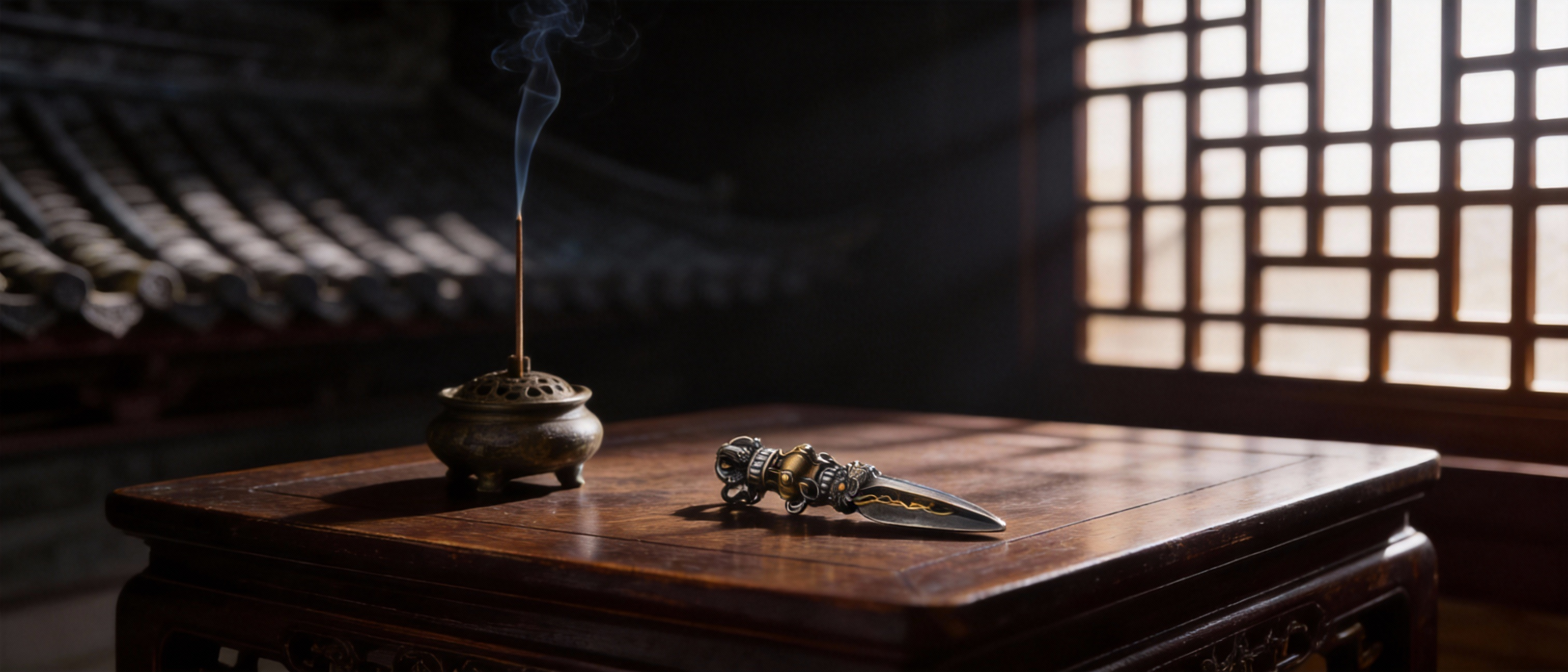
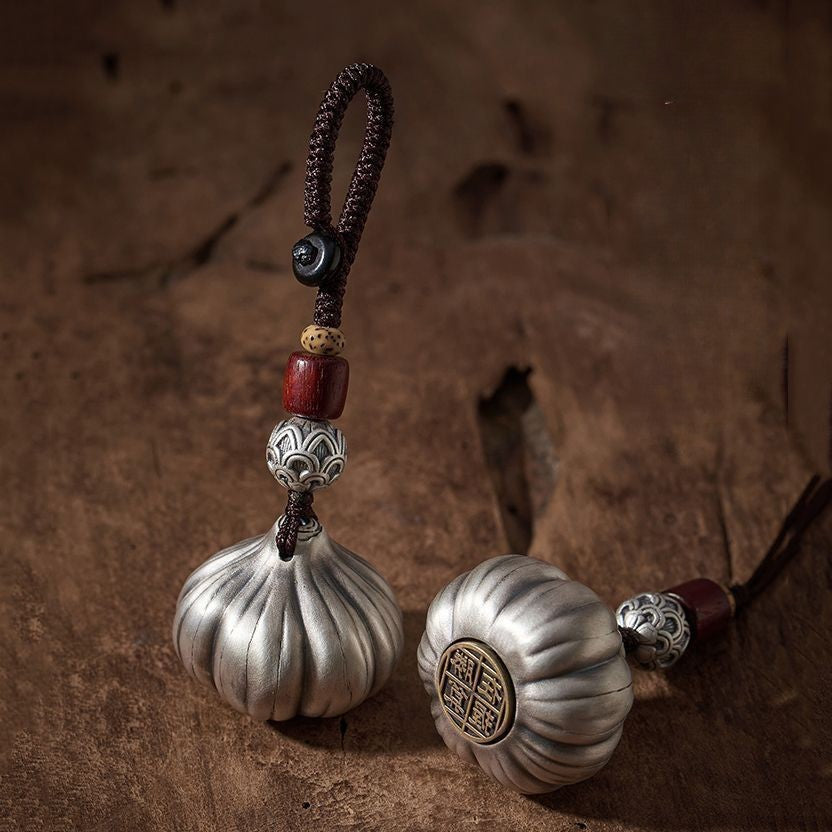
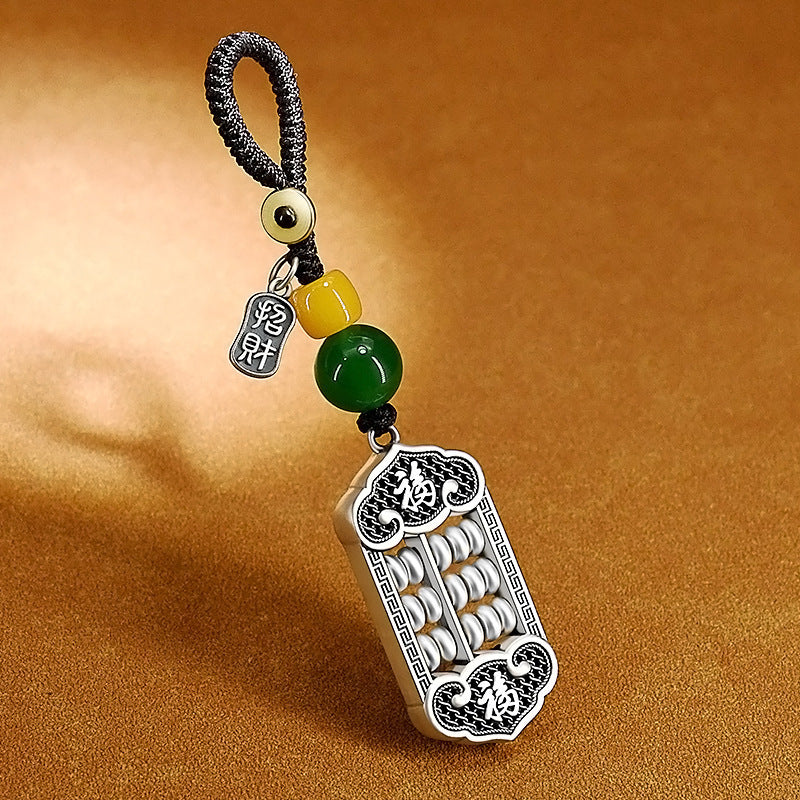
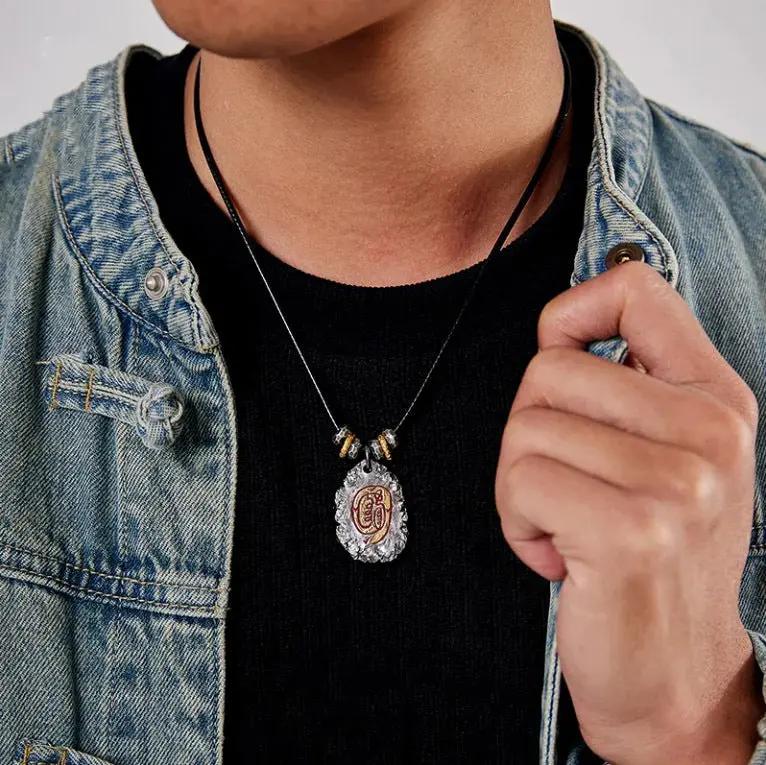
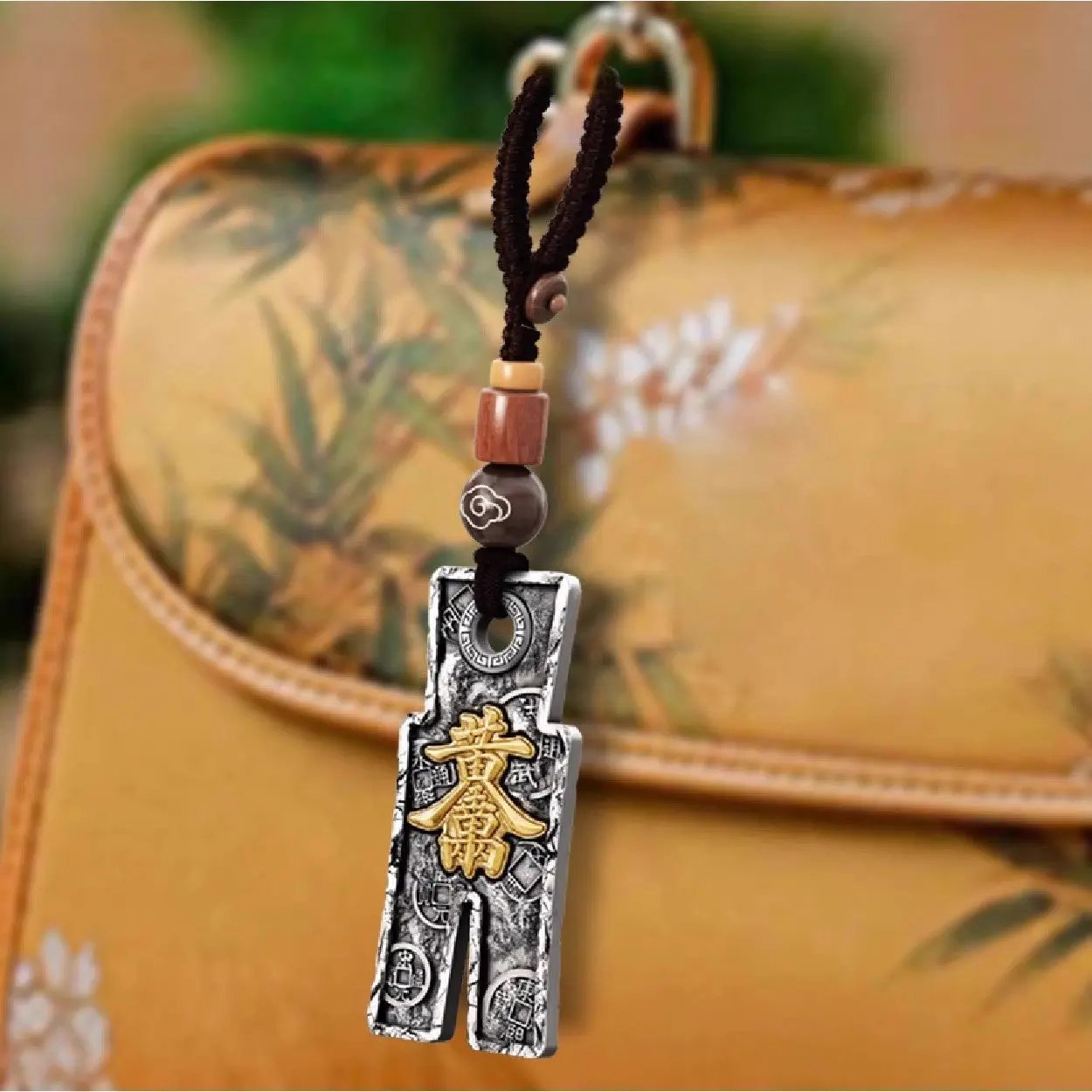
For thousands of years, Chinese culture has believed that symbols carry energy - that wearing a mythical creature on your body connects you to the qualities it represents. This is why Feng Shui jewelry has become one of the most popular ways to carry these ancient symbols into modern life - whether it's a Taotie pendant for boundless attraction or a Pixiu seal pendant for wealth protection.
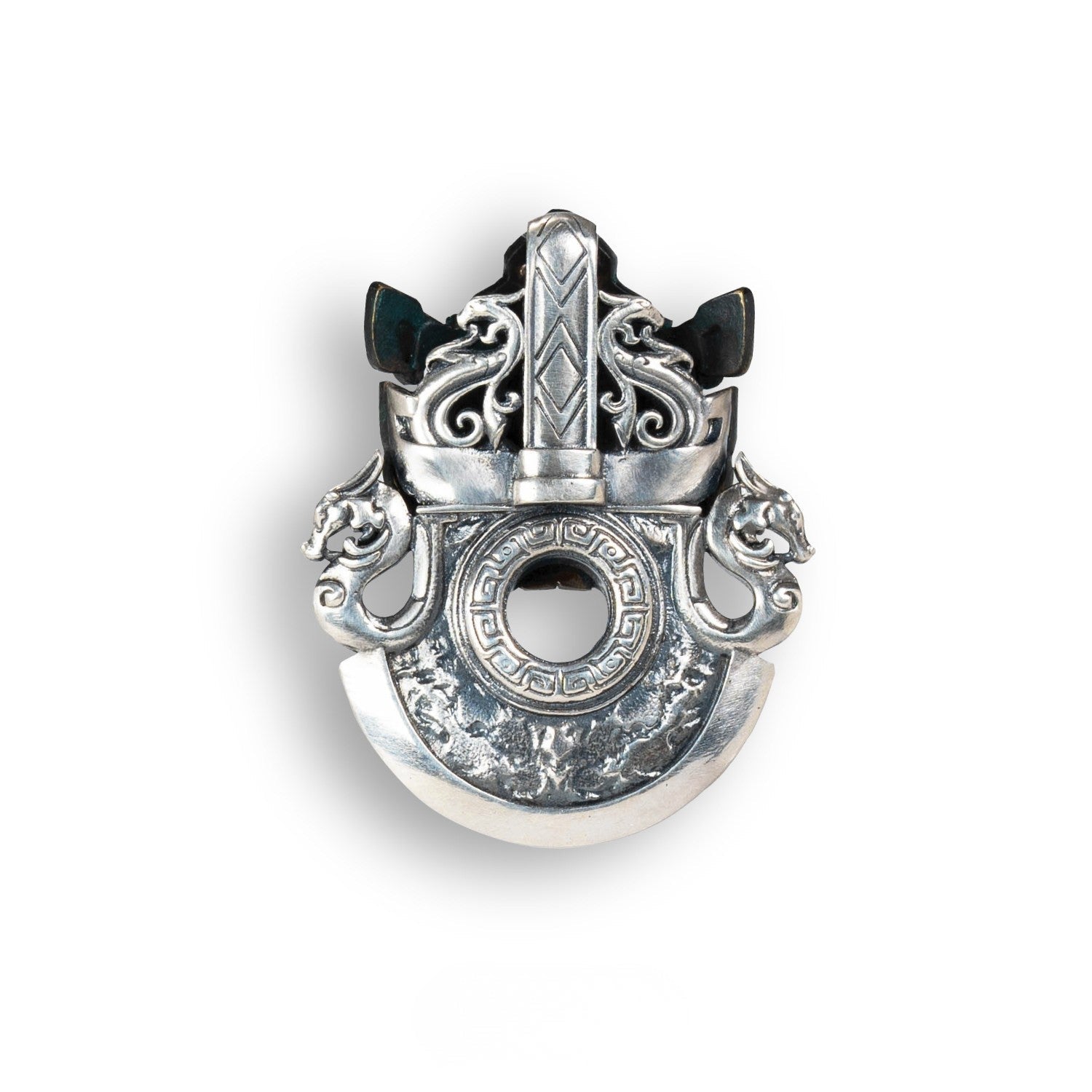
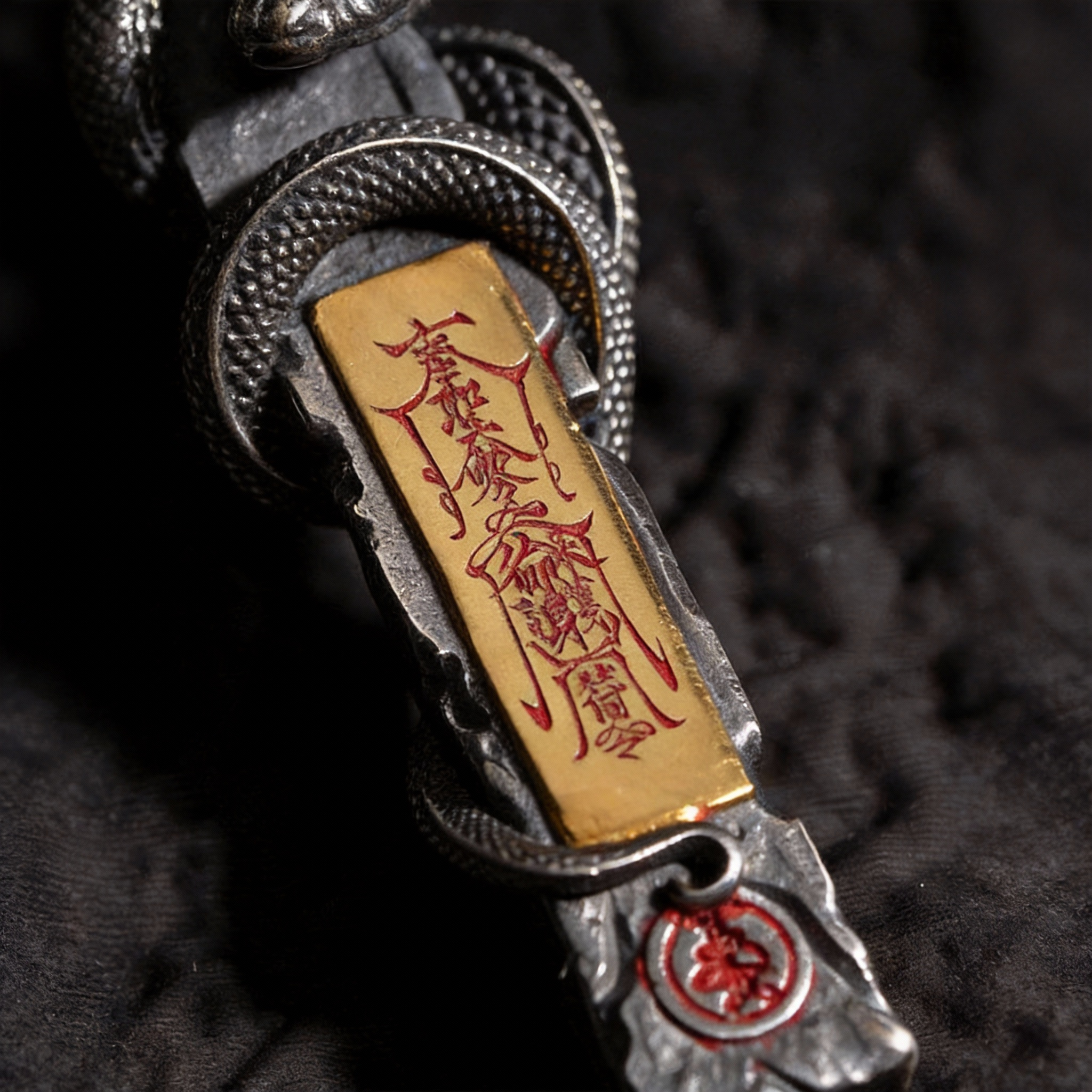
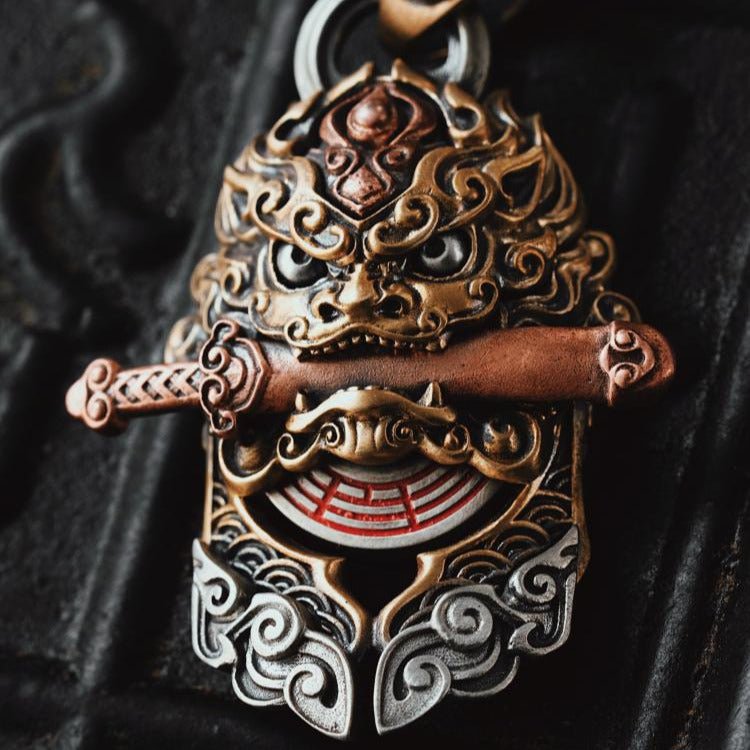
A Taotie pendant is more than an accessory. It's a piece of Bronze Age art, miniaturized and made personal. Those same eyes that stared out from ritual vessels 3,000 years ago - eyes that were already ancient when the Roman Empire was born - now rest against your chest. The beast that devoured itself now devours obstacles on your behalf.
At Tao Stones, we craft Taotie-inspired pieces that honor the raw power of this ancient symbol. Each piece is designed to channel the Taotie's boundless energy of attraction - the appetite for more, the refusal to settle, the primal force that turns wanting into having.
Because in the end, that's what both the Taotie and Pixiu teach us: fortune favors the hungry.